Table Of Content

While the onset of the cold season will vary depending on your region, it’s a good rule of thumb to begin the process of winterizing your home in early fall. If you decide to DIY it, this will give you plenty of time to do it at your own pace. When allowed to build up, ice and snow damage branches, which in turn can snap off trees and land on your house. Large overhanging tree branches could get heavy with snowfall and potentially break and fall onto your roof. If a tree is close to your home, prune its branches and cut down any low-hanging limbs before the start of the winter. You need to inspect the attic during daylight hours, as well as during rain, paying attention not only to obvious cracks and smudges but also to the presence of condensation and mold in the corners or joints.
How To: Replace Damaged Tile
A gutter brush is a great way to winterize a house as it will stop debris collecting in the first place. When checking your roof, give a few minutes to assess on the health of your chimney. The chimney is a vulnerable part of the house, protruding from the roof it is exposed to high winds, frost and snow. If you notice any issues, then repair minor cracks with a patching cement or 100 per cent silicone caulk.
More in Insulation
Cold temperatures can freeze the house water pipes and stop the water supply. To prevent it, thermostats can be used as a great repellent to save your house from cold weather and work as an effective asset to winterize your home. You can set a programmable thermostat at the lowest temperature which will keep the water pipes warm.

Snowbirds: How to Winterize Your Home While You're Away
This will ensure that the inclement weather hasn't yet caused any damage. Knowing when to drip faucet is also useful when winterizing a house as it can prevent your pipes from expanding, cracking, and bursting when the mercury drops. ‘Freeze-thaw cycles affecting wet masonry or unfired earth in cold weather can cause cracking, spalling and structural instability. Exposed parts are particularly susceptible, including parapets, copings, cornices and chimneys. ‘Good roof maintenance is vital to avoid water damage to a building’s fabric.
But you’ll miss out on the fun if you have to play catch up on home winterization tasks. And, if you can’t get to all of them before the first storm hits, hire someone to help you. Switch out your lightweight summer curtains for thermal-lined drapes or curtains to keep cold air from escaping the outdoors and into your home through window cracks. Not only will they keep your home warmer, but they’ll help with energy savings.
Insulation Maintenance
So, read on to learn everything you should do to get your home ready for winter from the inside out. Make sure to insulate these indoor pipes to prevent them from freezing. The Red Cross recommends keeping the thermostat at the same temperature throughout the day and night, so the pipes aren’t subject to drastic temperature changes.
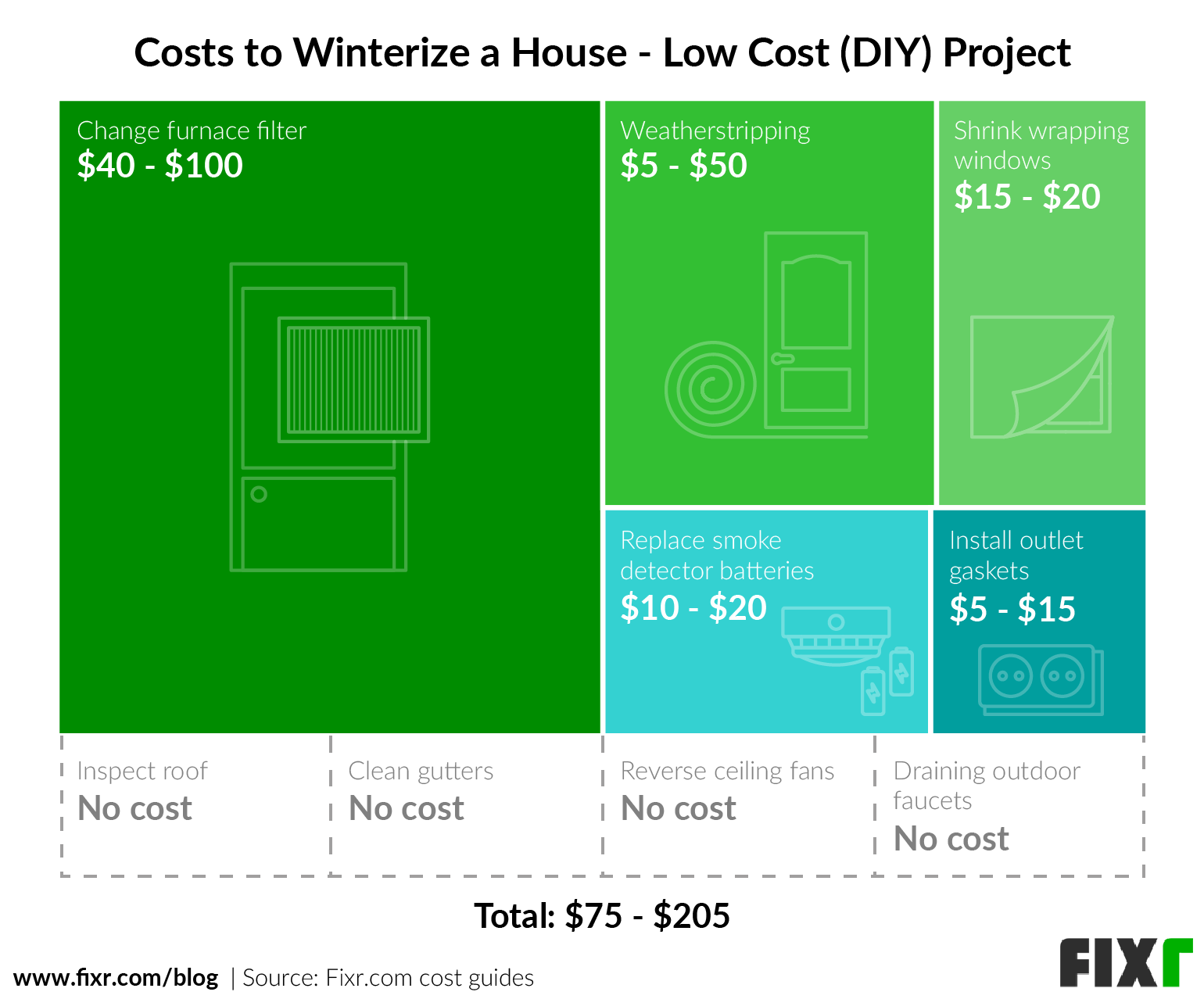
Weather-strip and insulate the doors, windows and attic
Make sure your furnace and chimney are in working order before the cold weather hits. Both should be cleaned and inspected by a qualified professional each year to ensure safe and efficient use. Whether you have an oil, gas, or electric system, you should have it serviced yearly, before the main heating season. Sealing the attic is a great way to avoid heat loss through your roof in future winters, and to prevent ice and snow damage. If your roof is clean and clear of snow in the winter, chances are it’s melting due to lost heat.
A chimney balloon plugs your chimney, helping to prevent hot air from escaping when not in use. While having your roof inspected, you should also have your chimney checked. This should be done at least once a year, particularly if you plan to use the fireplace as part of your heating system.
You can prepare your pipes for winter by covering them in pipe insulation – these consist of a split foam tube that simply slots into place around the tube. This should be done for both hot and cold water pipes and both indoors and outdoors. Also be sure to turn off outdoor taps, 'there should be an indoor stopcock so they can be isolated in cold weather,' recommends Roger Hunt. As well as clearing, also check that all the gutters, gullies and downpipes are still in good condition.
To do this, either get out the ladders or stand across the street or at the bottom of the garden and assess the roof with binoculars. In either case, should you have greater cause for concern, ask a roofer to conduct a thorough inspection. In addition to winterizing your home, you can do a few other things to prepare for winter weather.
Here’s how to winterize your home and protect it from snow, ice and freezing temperatures - Fox Weather
Here’s how to winterize your home and protect it from snow, ice and freezing temperatures.
Posted: Thu, 27 Oct 2022 07:00:00 GMT [source]
Rocket Homes Real Estate LLC is committed to ensuring digital accessibility for individuals with disabilities. We are continuously working to improve the accessibility of our web experience for everyone, and we welcome feedback and accommodation requests. If you wish to report an issue or seek an accommodation, please contact us at
Now’s a good time to change the batteries in the thermostat or, if you’re on a smart home system, make any necessary app updates so you’ll be alerted to issues. Leave doors to rooms and cabinets open so warm air will circulate freely. And exposed pipes in unheated areas (attics, basements, crawl spaces, garages) should be shielded with foam or rubber insulation sleeves. By preventing cold air from leaking into your home, you can save money on your energy bills and also make your home warmer.
To prevent ice dams from forming, you need to keep the entire roof the same temperature as the eaves. Take this time to increase ventilation, add insulation, and seal off possible air leaks to be ice dam free. If winter weather catches you off guard, and your home is not prepared for heavy snow and cold, you can experience damage ranging from burst pipes to a collapsed roof. Costs for repairs of this scale add up quickly, so prepping your house for the colder months in autumn is a smart approach. By following these tips on how to winterize a house, you can help avoid costly repairs this winter season.
Continue to check all the faucets regularly throughout the winter season. There are two ways to mitigate this problem – grab a ladder and clear the debris yourself or hire local professionals to safely take care of the job. Cleaning your gutters now can help you prepare for extreme winter weather.
Make sure to leave the outside drain valve open so any remaining water can drain properly. However, you’ll want to close any inside valves that supply water to outdoor faucets to prevent freezing pipes. Your home’s roof can be particularly vulnerable to winter weather, especially if your home is older. For example, high winds, heavy rain, or snowfall can cause strain, and excess leaves or debris could clog gutters and create build-up on the roof.


No comments:
Post a Comment